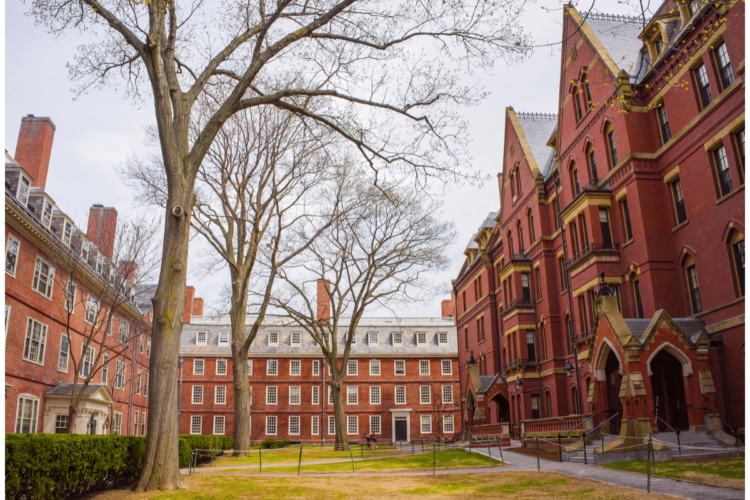




The country is positioned as the technological epicenter of Latin America based on its economic, political and social stability, its educational level and its thriving entrepreneurial ecosystem Uruguay has captured the attention of giants such as Microsoft and Harvard Business School, who have chosen the country as a center of operations in Latin America, motivated by an exceptional environment that combines political stability, high educational level and a technological ecosystem in full growth. In the heart of the Technology Park of Uruguay (LATU), Microsoft inaugurated its AI Co-Innovation Lab, the first in Latin America and the third worldwide. This lab represents a strategic milestone for Microsoft, highlighting Uruguay’s position as a regional leader in technology. During the inauguration, Juan Lavista, Chief Scientist and Lab Director of Microsoft AI for Good Research Lab, said: “This is a monumental step towards a future where Uruguay will not only be on par with world leaders in artificial intelligence, but will also be able to surpass them. This laboratory will be a beacon of innovation and learning for Uruguay and the world.” In its first year of operation, the laboratory received 100 projects from Uruguay (75%) and the region, successfully accelerating 40 of them. The initiatives cover areas such as health, pharmaceutical production and e-commerce, backed by the Uruguayan government and Microsoft to turn the country into a hub for technology and innovation. Microsoft officials praised Uruguay’s “unique conditions,” such as its exceptional talent, high level of education and proportion of software developers per capita, placing it in an enviable position in the region. Jun Yamasaki, global leader of the Microsoft AI Co-Innovation Labs, underlined the strategy of locating the laboratory in Uruguay due to its advanced technological infrastructure and its propitious time to be a technological hub in Latin America. In addition, Harvard Business School established its Latin American Research Center (LARC) in Montevideo, becoming its headquarters for the region. This center promotes academic collaboration with various universities and research institutes, fostering innovation in business and related areas. Michael Chu, researcher and professor at Harvard, commented during the inauguration that Uruguay shares the essential values of the school, highlighting the respect and protection of freedom of thought and expression, fundamental for the development of intellectual capital. Uruguay has shown remarkable dynamism in its technology sector, with significant growth outpacing the rest of the economy. According to CUTI, the sector’s turnover increased from US$ 824 million in 2012 to almost US$ 1,950 million in 2021, representing 3% of the national GDP. The country leads in connectivity and ICT development, with high connectivity in homes and public schools, implementation of commercial 5G mobile networks and outstanding participation in global initiatives such as Digital Nations. Uruguay offers a favorable business environment with export-oriented free zones, top-notch technology hubs, and attractive tax benefits for the ICT sector. In addition, Uruguayan talent is highly skilled and multilingual, supported by educational initiatives such as Ceibal, which provides laptops to all children and public school teachers. In summary, Uruguay is consolidated as a preferred destination for international companies looking for quality, efficiency and new opportunities in a stable and collaborative environment. With a unique combination of human talent, advanced infrastructure, and supportive policies, the country offers an ecosystem conducive to investment and the development of new companies in the technological and innovation field.

The third edition of the Sustainable Uruguay Expo, organized by the Ministry of Environment,...